
Sacraments
“The sacraments are outward and visible signs of an inward and spiritual grace, given by Christ as sure and certain means by which we receive that grace” (The Book of Common Prayer, pg. 857). Sacraments are foundational to who we are as Episcopalians and the life of the church. Below are answers to common questions about the sacraments, as well as descriptions of the two great sacraments (Holy Baptism and Holy Eucharist) and five additional sacramental rites (confirmation, ordination, marriage, confession/reconciliation of a penitent, and unction).
-
“Q. What is grace?
A. Grace is God's favor towards us, unearned and undeserved; by grace God forgives our sins, enlightens our minds, stirs our hearts, and strengthens our wills” and communes with our souls.
- Adapted from The Book of Common Prayer, pg. 858
Q. How many sacraments are there?
“The two great sacraments given by Christ to his Church are Holy Baptism and the Holy Eucharist.”
- The Book of Common Prayer, pg. 858
In addition to the two great sacraments noted in the Gospels, there are five additional sacraments which have been added by the Church: Confirmation, Ordination, Holy Matrimony, Reconciliation of a Penitent and Unction.
Q. Is God's activity limited to these rites?
A. God is not limited to these special rites but is always present in our lives and eager to be known to us and love us.
“Q. How are the sacraments related to our Christian hope?
A. Sacraments sustain our present hope and anticipate its future fulfillment.”
- The Book of Common Prayer, pg. 861
-
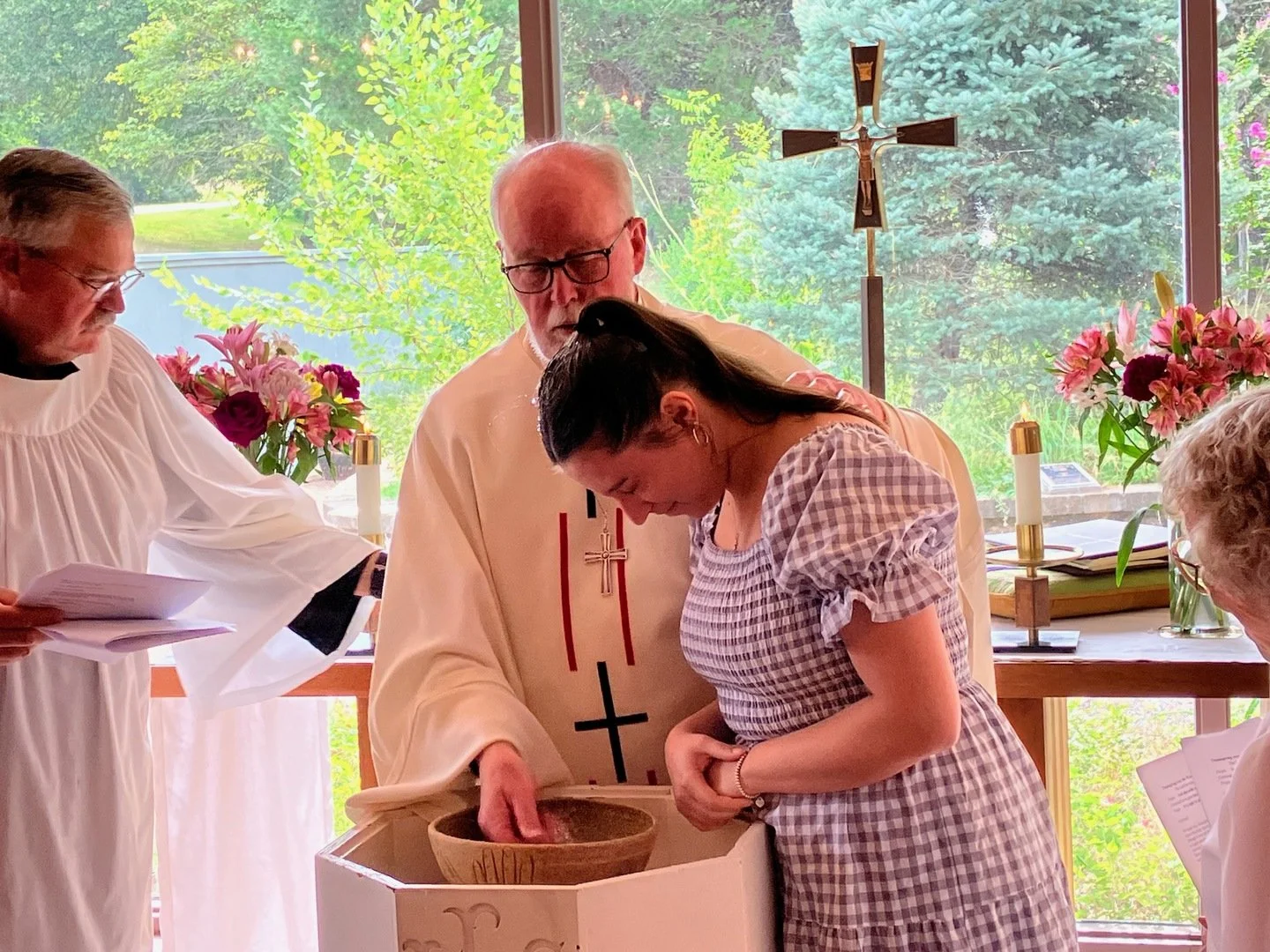
“Holy Baptism is the sacrament by which God adopts us as God’s children and makes us members of Christ’s Body, the Church, and inheritors of the kingdom of God[…] The outward and visible sign in Baptism is water, in which the person is baptized in the Name of the Father, and of the Son, and of the Holy Spirit[…] The inward and spiritual grace in Baptism is union with Christ in his death and resurrection, birth into God's family the Church, forgiveness of sins, and new life in the Holy Spirit.” - The Book of Common Prayer, pg. 858
Baptism is provided for infants as well as adults. Baptism may be experienced with water by sprinkling or immersion. In the case of children, parents and sponsors speak on behalf of the child promising to bring up the child “within the Church, to know Christ and able to follow him” (The Book of Common Prayer, pg. 859).
-
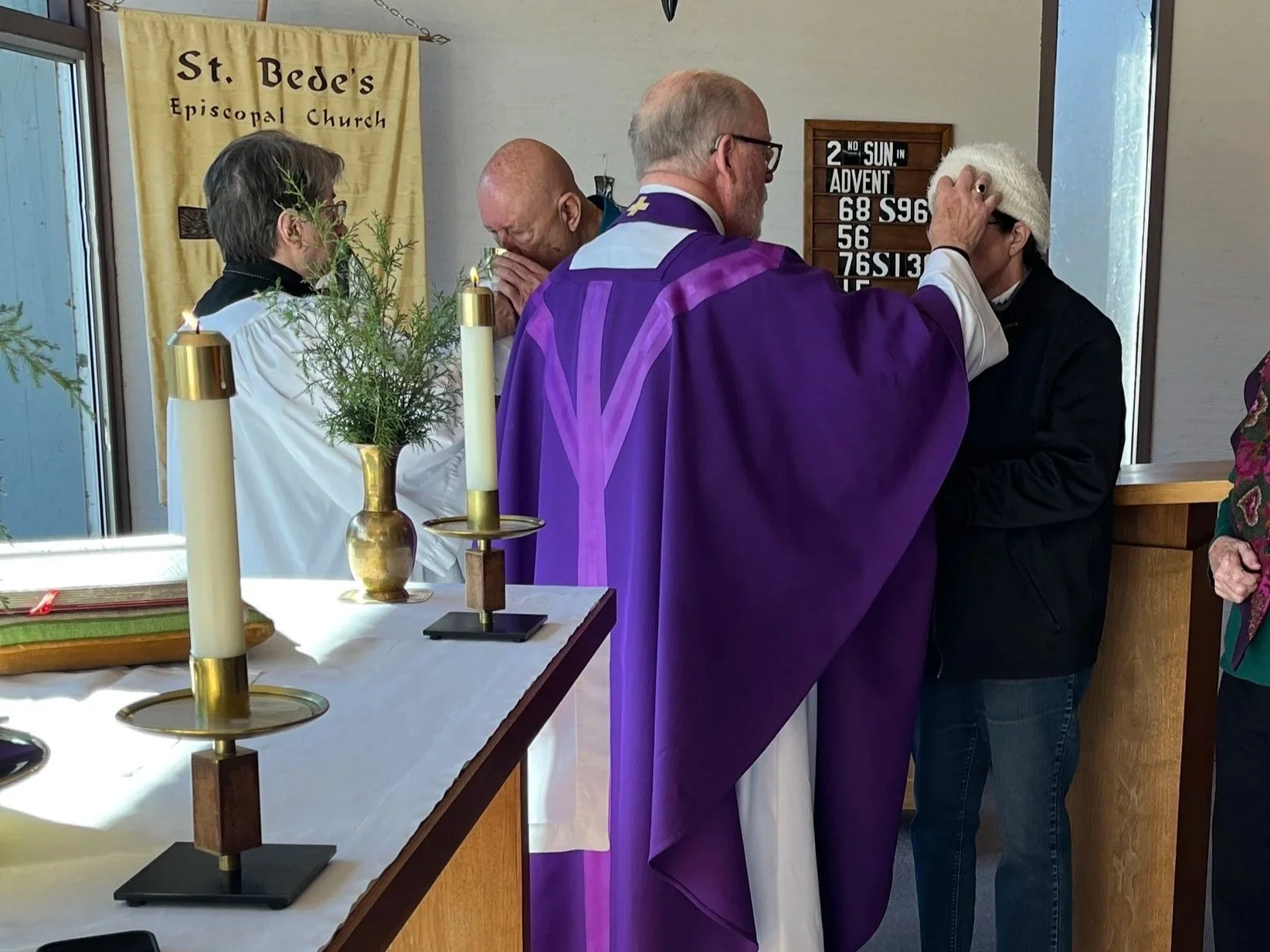
“The Holy Eucharist is the sacrament commanded by Christ for the continual remembrance of his life, death and resurrection until his coming again[...] The Holy Eucharist is called the Lord's Supper, and Holy Communion; it is also known as the Divine Liturgy, the Mass, and the Great Offering[…] The outward and visible sign of this sacrament is the consecrated bread and wine[…] The inward and spiritual grace is the Real Presence of Christ in the Body and Blood of Christ given to the people.” - The Book of Common Prayer, pg. 859
While the Eucharist may be celebrated at other times, Sunday is when the Eucharist is most always celebrated with praise and thanksgiving for the sacrificial gift of God’s love in Christ Jesus.
-
“Confirmation is the rite in which we express a mature commitment to Christ, and receive strength from the Holy Spirit through prayer and the laying on of hands by a bishop[…] It is required of those to be confirmed that they have been baptized, are sufficiently instructed in the Christian Faith, are penitent for their sins, and are ready to affirm their confession of Jesus Christ as Savior and Lord.” - The Book of Common Prayer, pg. 860
-
Ordination is the rite in which God gives authority and the grace of the Holy Spirit to those being made bishops, priests, and deacons, through prayer and the laying on of hands by bishops.” - The Book of Common Prayer, pg. 860-861
Candidates for ordination will already be followers of Christ but experience a call by the Holy Spirit and the Church to an additional level of ministry.
-
“Holy Matrimony is Christian marriage, in which the [couple] enter into a life-long union, make their vows before God and the Church, and receive the grace and blessing of God to help them fulfill their vows.” - The Book of Common Prayer, pg. 861
-
“Reconciliation of a Penitent, or Penance, is the rite in which those who repent of their sins may confess them to God in the presence of a priest, and receive the assurance of pardon and the grace of absolution.” - The Book of Common Prayer, pg. 861.
This sacrament is commonly known as Confession, and while it resembles what is often portrayed in media, in the Episcopal Church it is usually gentler and more pastoral.
-
“Unction is the rite of anointing the sick with oil, or the laying on of hands, by which God's grace is given for the healing of spirit, mind, and body.” - The Book of Common Prayer, pg. 861
Extreme Unction, commonly called Last Rites, is for those who are dying. In the Episcopal Church unction (using holy oil) can be used for any sickness - physical, mental, or spiritual - and can be provided to an individual by a priest or incorporated into a service like Communion or Evening Prayer where the congregation is invited to come up one by one to receive the anointing oil.